
Long Island Guardianship Crisis Demands State Action and Investment
By Tania Peterson Chandler and Hon. Arthur M. Diamond
In courtrooms across New York — and especially on Long Island — a quiet crisis is unfolding. In Suffolk and Nassau Counties, judges are required by law to appoint guardians for adults who can no longer manage their personal or financial affairs. But increasingly, there is no one willing or able to serve.
The crisis is driven by multiple forces converging at once. First and foremost, Long Island is aging rapidly. Roughly 18 percent of New York State’s population is over 65. In Nassau and Suffolk counties, that figure is slightly higher: one in five residents is now over 65. Over the past decade, the 65-and-older population on Long Island has grown faster than the state as a whole. Together, Nassau and Suffolk are home to more than 600,000 residents over 65, a population larger than many entire upstate counties. This demographic shift is not abstract; it is reshaping the region in real time. As the share of older residents rises, so too does the need for adult guardianship.
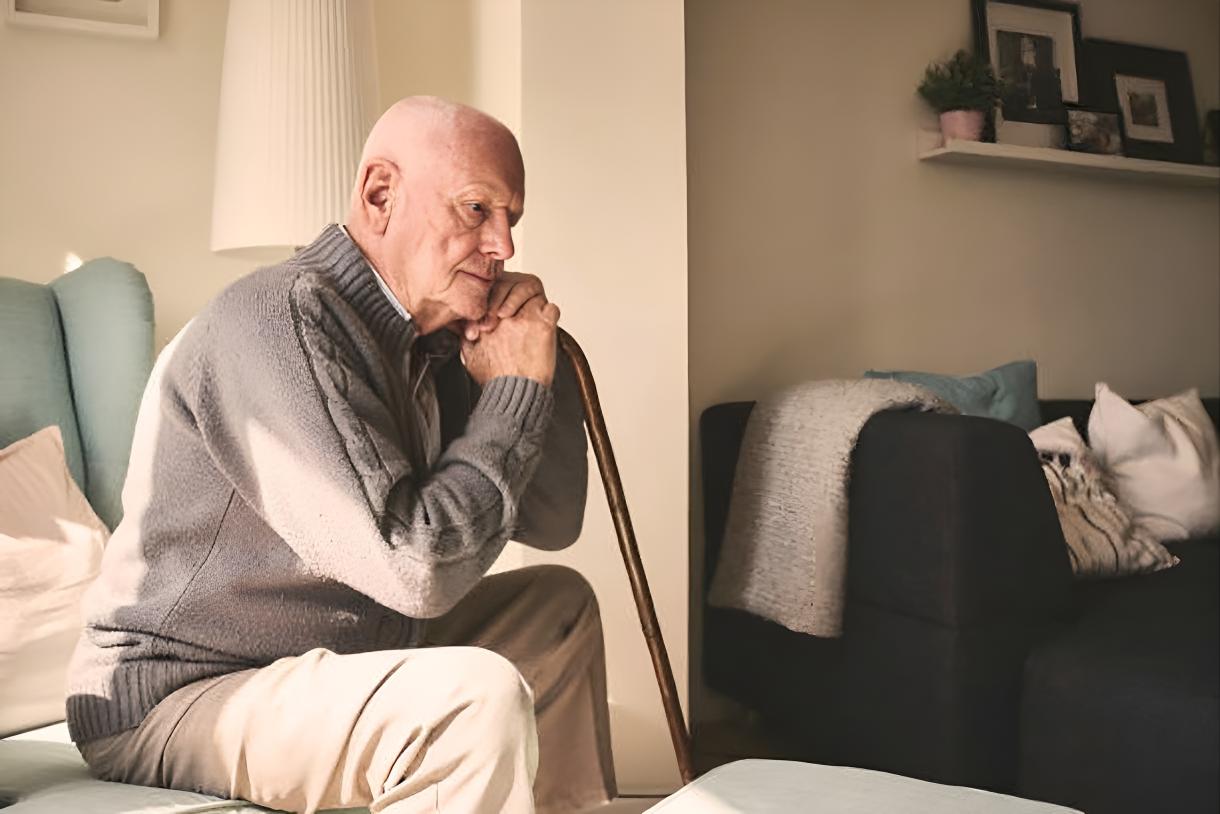
What makes aging on Long Island particularly distinct is its landscape. More than 80 percent of its housing is single-family homes — nearly double the statewide average. That suburban design, once a symbol of prosperity, now creates a profound and often invisible isolation for older adults. In a city apartment building, neighbors may notice when someone has not been seen. On a quiet suburban block, a person can disappear behind a closed front door without anyone realizing there is a problem. Public transportation is limited. Basic errands require a car. Social interaction depends on mobility.
At the same time, the very system designed to respond to this growing need is under strain. Attorneys are increasingly refusing guardianship appointments. The work is demanding, time-intensive, and often poorly compensated. Guardianship cases can last for years, requiring repeated court appearances, detailed reporting, coordination with hospitals and nursing homes, financial oversight, and constant availability for emergencies. In Suffolk County in particular, the geography alone is daunting. The county stretches more than 80 miles east to west. Unlike dense urban areas, clients are not clustered near courthouses, hospitals or community-based services; they are dispersed across miles of suburban roads. Travel between essential services can consume hours in a single day. Judges cannot compel lawyers to take these cases, and when attorneys decline, the system stalls.
Many older residents are aging in place in the homes they purchased decades ago. They may have outlived spouses, siblings, and even children. Some have no close family or support network nearby. When illness or cognitive decline sets in, there is no one to step in to make medical decisions or manage their homes and bills. The result can be total legal and practical paralysis: utilities go unpaid, vital paperwork sits unopened, medical procedures are delayed because no one is authorized to consent. Everything grinds to a halt.
Consider a common scenario: an elderly woman living alone falls and breaks her hip. After hospitalization and rehab, she cannot safely return home without support. There are no relatives to arrange care or handle her finances. The hospital cannot discharge her until a safe plan is in place, so the case goes to the Supreme Court. The law requires the appointment of a guardian, but if no attorneys take the case, she remains in limbo.
There is another option—nonprofit organizations that serve as guardians.
These organizations started programs in response to the growing gap in guardianship services, particularly for people with limited social and financial supports. These organizations receive appointments directly from judges, and some contract with local departments of social services to fill the role of guardian of last resort. Nonprofit guardianship programs are driven by the missions of the organizations that house them, often with an emphasis on ensuring the least restrictive arrangement and helping clients live and age with dignity in their homes and communities.
However, the nonprofit guardians who form a patchwork safety net are stretched beyond capacity. Organizations such as the EAC Network, which serves across Long Island, act as guardians of last resort when no private attorney will accept appointment. Case managers are stretched beyond their caseloads, many involving high-need clients with complex medical and financial challenges. Referrals continue to outpace contracted capacity. The demand is growing faster than the infrastructure designed to meet it.
This is not simply a court administration issue. It is a demographic and structural reality colliding with an underfunded system. New York law mandates protection for incapacitated adults. That mandate carries a fiscal obligation. Without sufficient funding, the statutory promise becomes hollow.
Governor Kathy Hochul has the authority to address this crisis directly. Targeted, sustained state funding for nonprofit guardianship programs in Nassau and Suffolk Counties would stabilize caseloads, allow for the hiring and training of additional staff, and ensure that court orders can be fulfilled without delay. Investment now would prevent prolonged hospital stays, delayed discharges, unmanaged assets, and unnecessary institutionalization — all of which ultimately costs the state millions more in Medicaid spending each year.
Long Island’s aging population is not just larger; it is uniquely situated in a suburban landscape that amplifies isolation. Behind the doors of thousands of single-family homes live older adults who may have no one left to speak for them. When age-related cognitive changes, illnesses, or accidents occur, the legal system must respond. But it cannot respond without resources.
There are leaders who understand this urgency. Assembly member Charles Lavine, who represents Nassau Couty, champions the New York State Good Guardianship Act, legislation designed to strengthen oversight, accountability, and protections within New York’s guardianship system. Reform and transparency are critical. But reform without resources cannot succeed. If the state is serious about upholding the rights and dignity of incapacitated adults, it must match statutory safeguards with a $15 million investment in direct services in the SFY 2027 budget agreement.
New York has recognized, through its guardianship laws, that vulnerable adults deserve protection. The state must now provide funding to make that protection real.
Tania Peterson Chandler is the Chief Operating Officer at EAC Network. Hon. Arthur M. Diamond, JSC (ret) is the former supervising judge of guardianship matters in Nassau County.